


Why Has Pure Bismuth Price Come Down in The Past Week
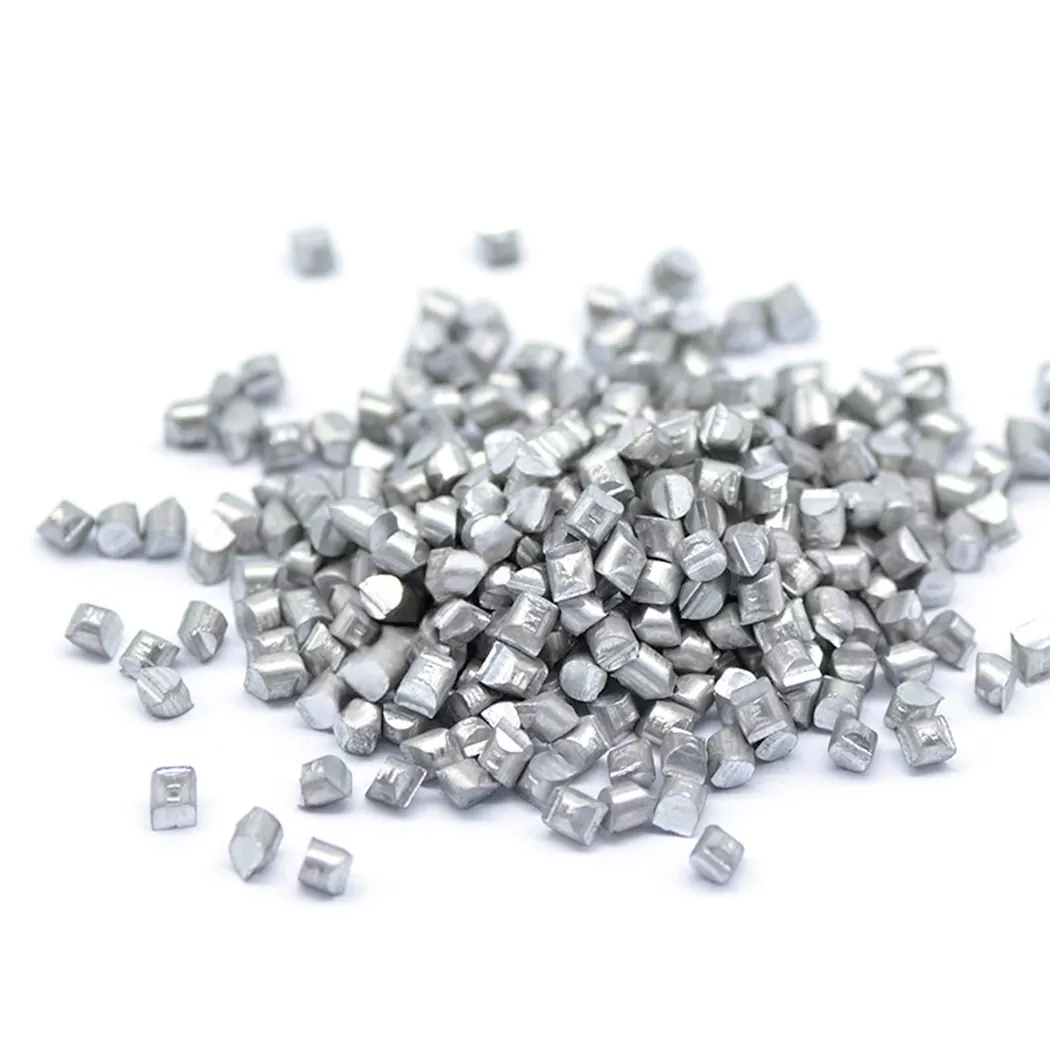
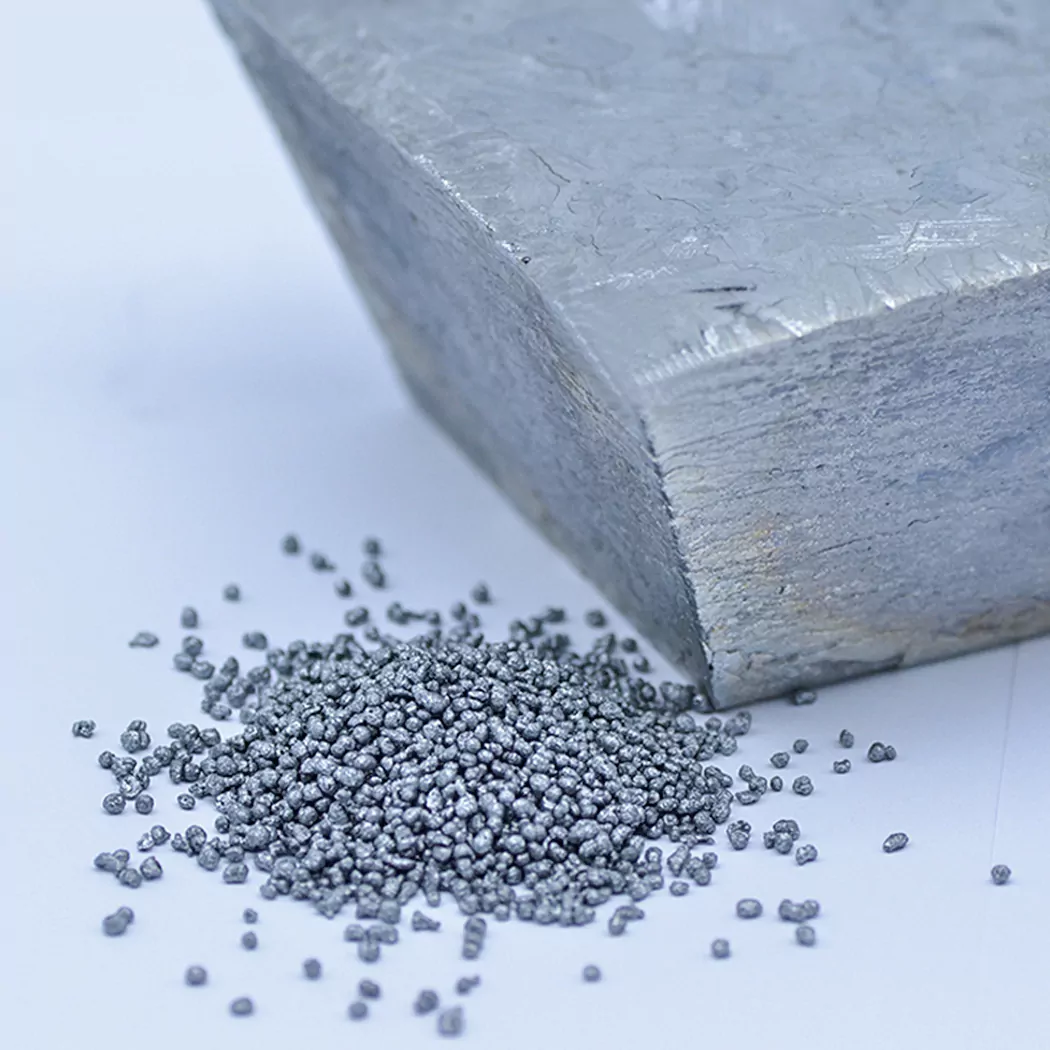
The price fell significantly by more than US $550 per ton last week, according to the cost feedback of many of our upstream raw material factories. This sharp drop is mainly attributed to the continued weak market demand, as well as the increasing bearish sentiment in the market, resulting in a surge in shipments, which in turn further depressed bismuth prices.
Despite the slight contraction on the supply side, the downturn on the demand side still dominates. The demand for bismuth metal in downstream industries such as glass powder and chemical industry, no substantial improvement. At the same time, demand for investment and trade has cooled significantly. Confidence has been dented and trading activity has cooled.
As the previous bismuth price was affected by multiple factors such as international market fluctuations, domestic supply and demand imbalance and cost pressure, the downward trend was obvious in terms of price composition.
Overseas prices are expected to be influenced by the domestic market and also probably face significant downward pressure in the coming weeks.
Considering the supply and demand situation at home and abroad, we assume that the market of bismuth may continue to bear downward pressure in the short term, and the price trend is negative.
Leave a Comment
Top Categories
Hot Product
Tags
Related Blog
Welcome to our blog dedicated to the attractive world of rare metal materials.

Why Has the Certified Tellurium Price Been Falling Recently
Recently, the domestic tellurium price continues to decrease. Many market participants said that the market supply and demand structure has changed at the end of the year.
Market of Refined Tin Metal Shows a Small Supply Deficit
Global consumption growth of tin metal slowed to 0.4% in 2023 from 1.6% in 2022.
How Much is the Indium Metal Price When It Is Recycled
The price of indium metal recycling varies is depending on different factors such as the purity, age and quantity of pure indium.


