

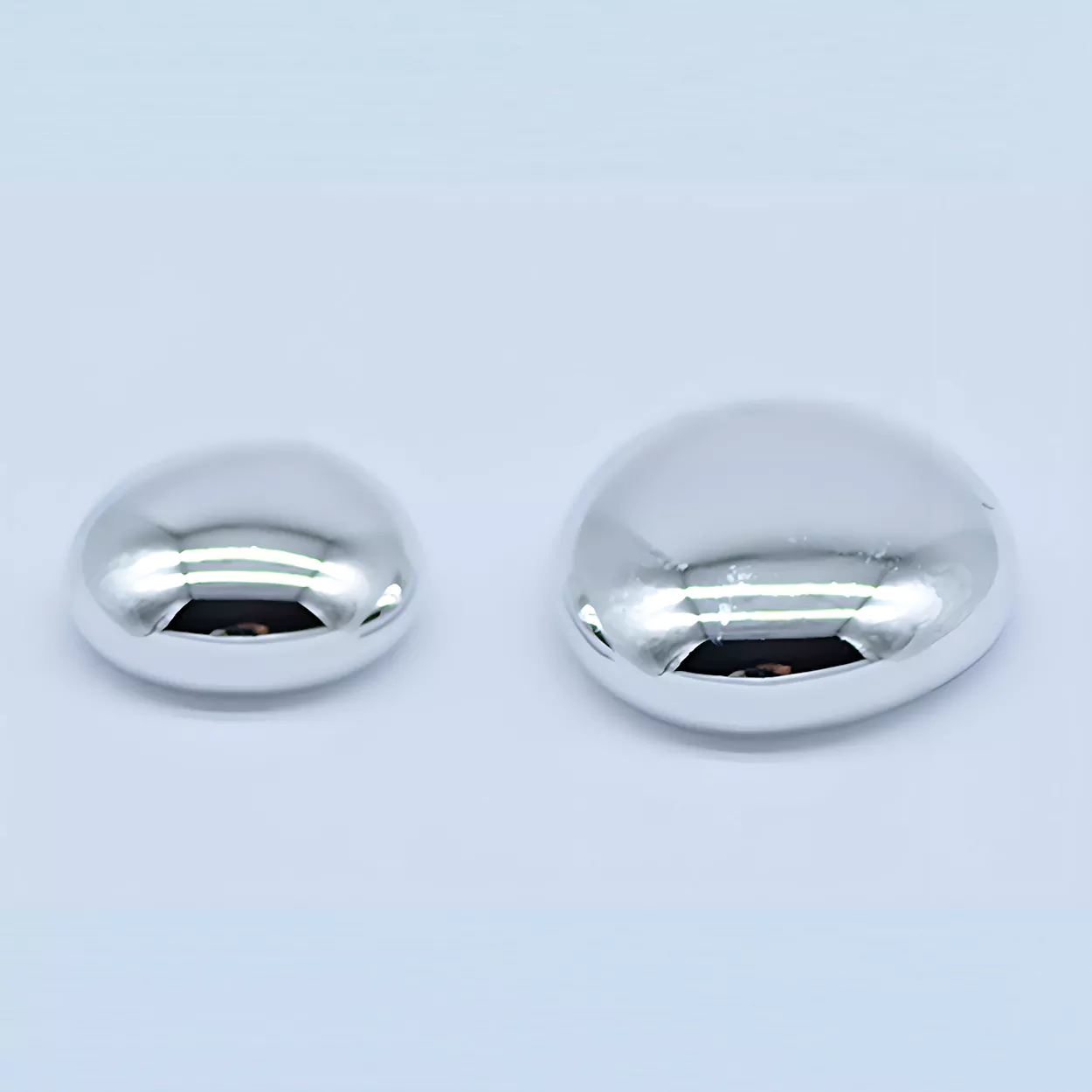
Tellurium Metals: the Most Metallic of the Non-metals
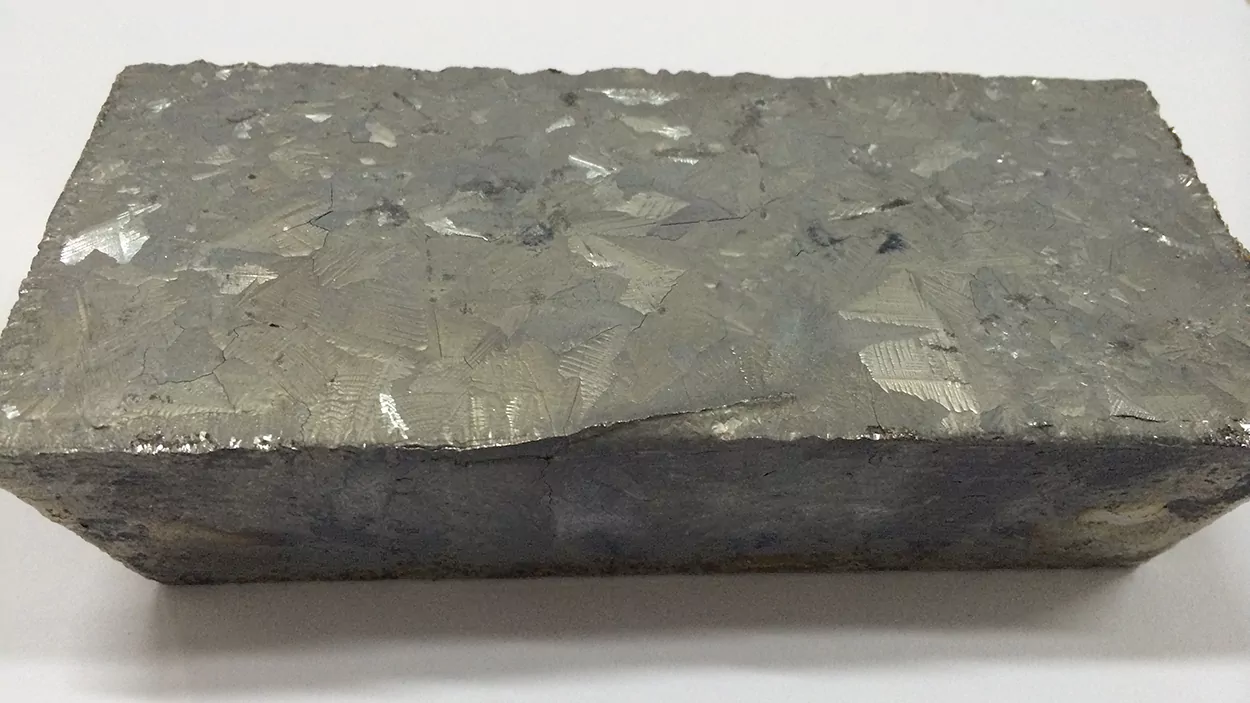
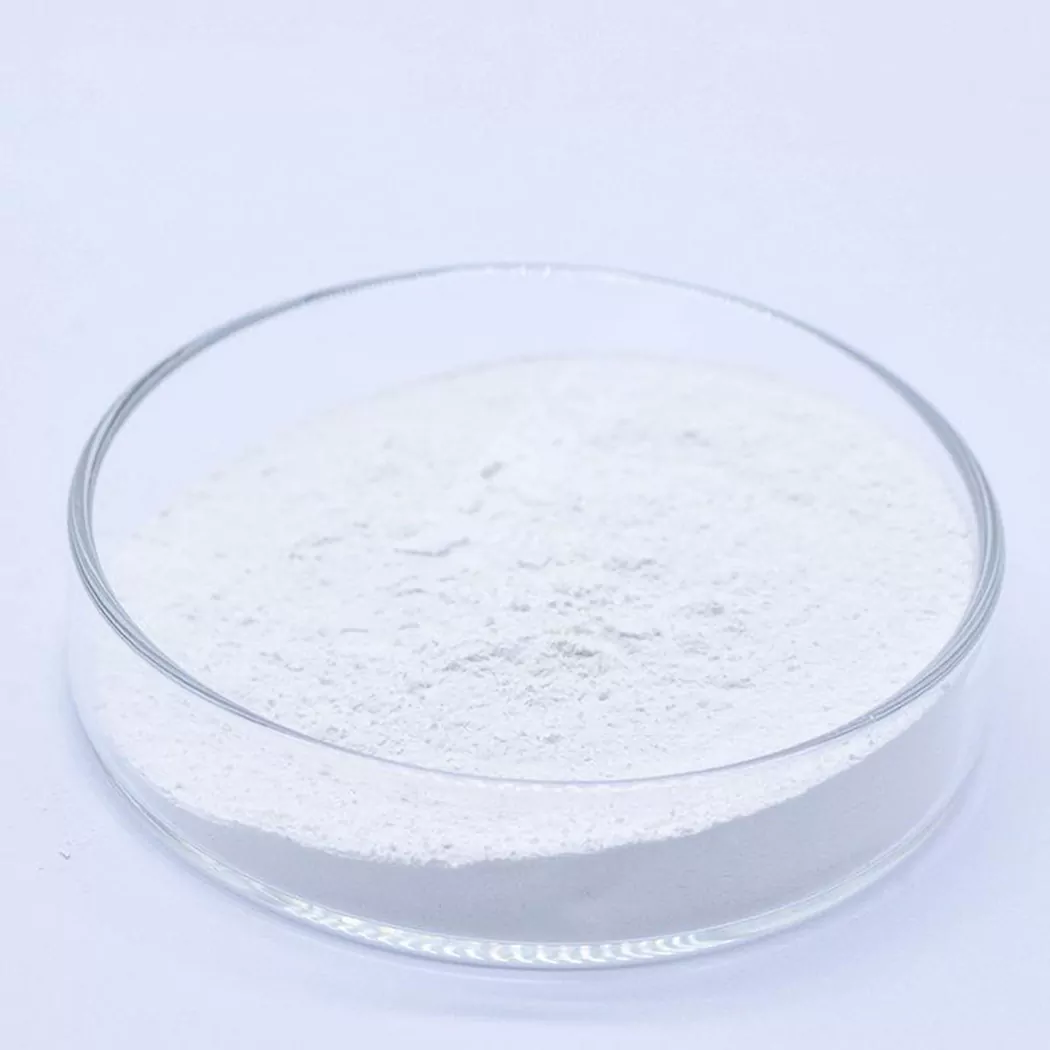
High purity tellurium metal is obtained by extracting and refining tellurium powder with sodium polysulfide as raw material, with purity as high as 99.99999% (7N). It is used as additive in semiconductor devices, alloys, chemical raw materials and cast iron, rubber, glass and other industries.
Tellurium has two isomers, black powdery, amorphous tellurium and silver-white, metallic, hexagonal crystalline tellurium. It is a semiconductor with a forbidden bandwidth of 0.34 eV.
It is a non-metallic element, but it has very good heat and electrical conductivity. Of all the non-metallic companions, it is the most metallic.
Tellurium metal burns in air with a blue flame, producing tellurium dioxide; reacts with halogens, but not with sulfur or selenium. Soluble in sulfuric acid, nitric acid, potassium hydroxide and potassium cyanide solutions. Reacts with molten KCN to produce K2Te.
It is chemically very similar to sulfur and selenium and is somewhat toxic. When heated and melted in air, it produces a white smoke of tellurium oxide. It causes nausea, headache, thirst, itchy skin and palpitations.
When the human body inhales very low concentrations of tellurium, it produces an unpleasant garlic odor in the breath, sweat and urine. This odor can be easily detected by others, but is often unbeknownst to the person.
Leave a Comment
Top Categories
Hot Product
Related Blog
Welcome to our blog dedicated to the attractive world of rare metal materials.

Current Galinstan Price: Market Analysis and Trend Early 2025
Galinstan price is still in the downward channel in China for early 2025. We and other producers bid for sales.
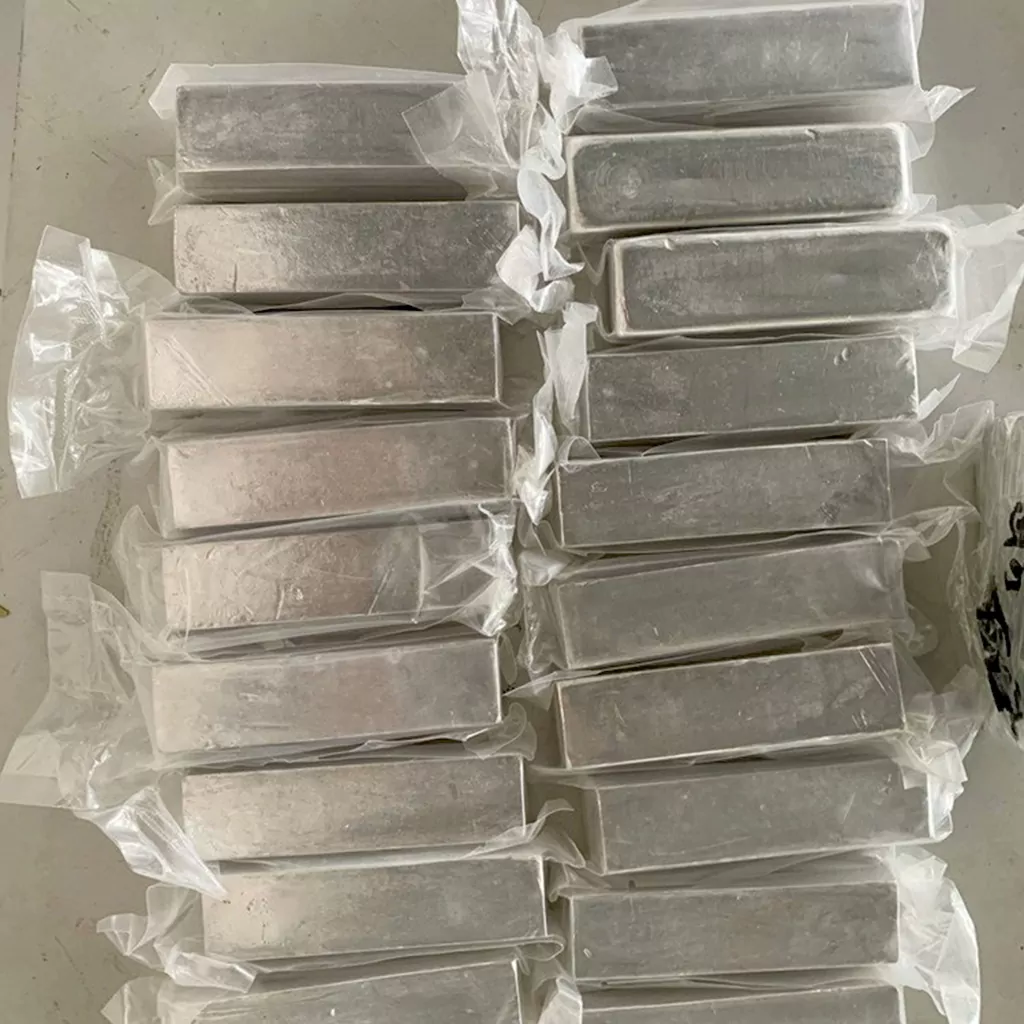
How to Evaluate The Recent Situation of China Indium Metal
Market of China indium metal has been flat as a whole this week, with no volatility.
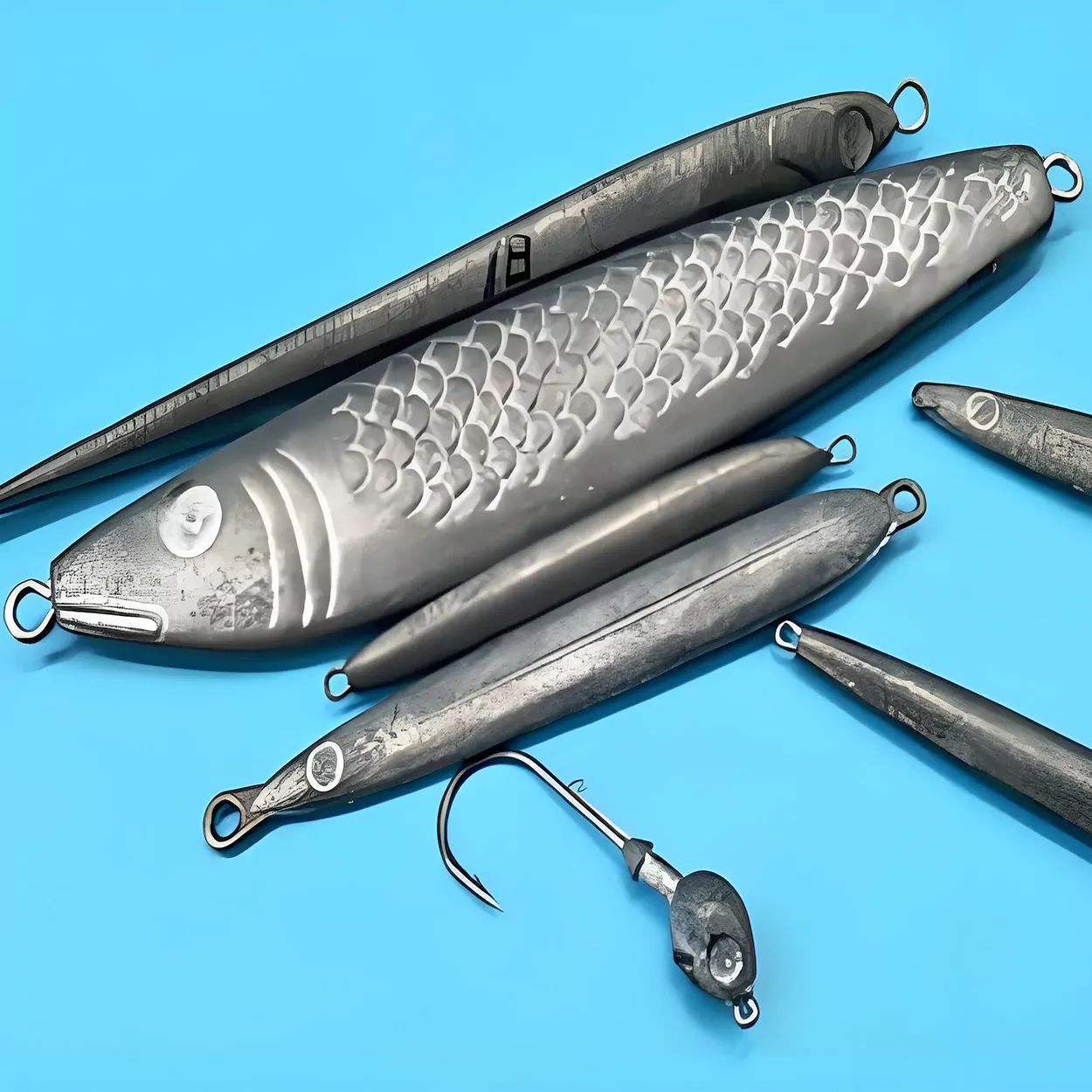
Affordable Bismuth Lead Alloys for Fishing Jig Manufacturing
Bismuth lead alloys offer a promising alternative to traditional materials in fishing jig manufacturing.


