
Bismuth Metal for Sale: A Popular Metal with Many Talents

Andre Zhao / 2021-06-29 / Blog

Table of Contents

Introduction

Bismuth metal is popular with unique physical and chemical properties that both captivate scientists and enthusiasts.

From its attractive rainbow crystals to its role in magnetic levitation and even its applications in daily life, bismuth is much more than meets the eye. In this article, we will explore the incredible properties of bismuth metal, its uses, and its safety for everyday applications.

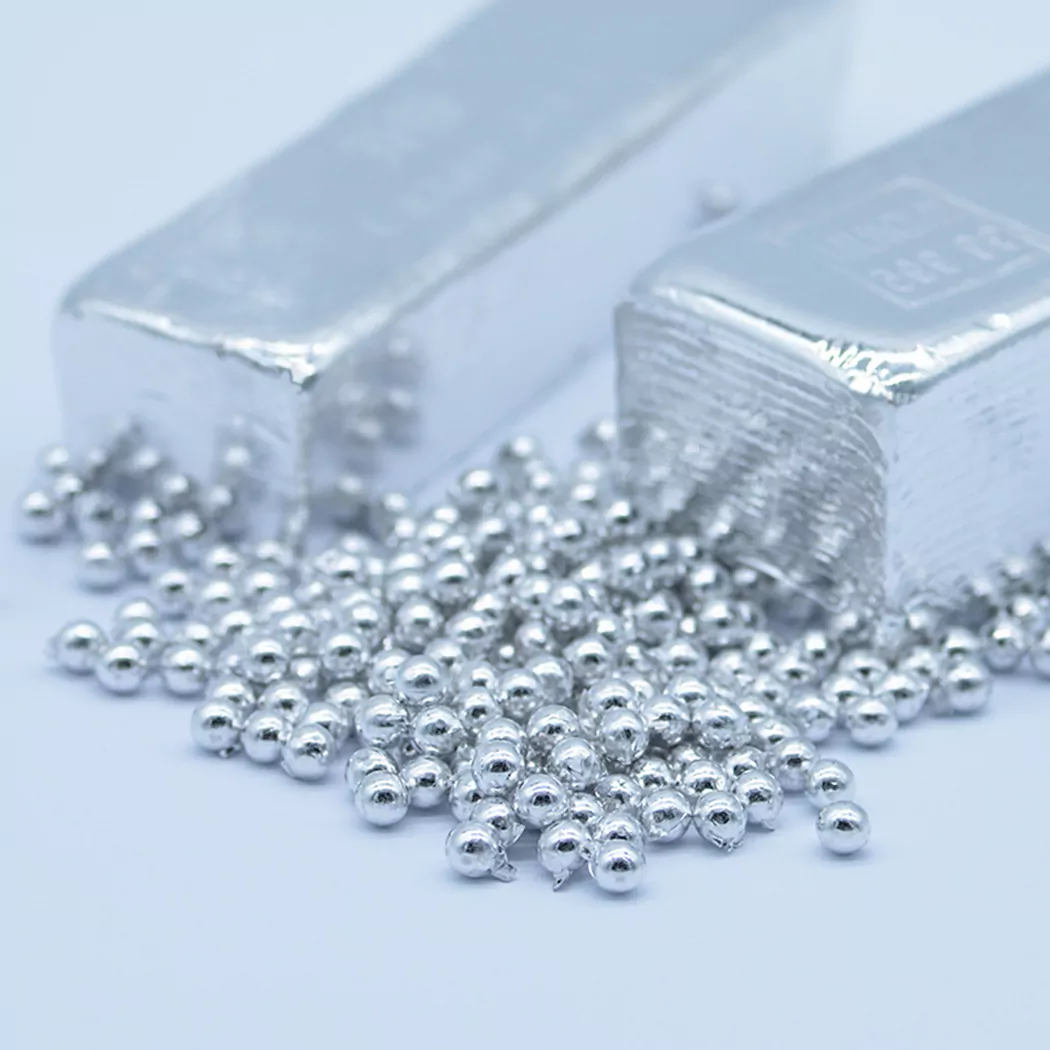
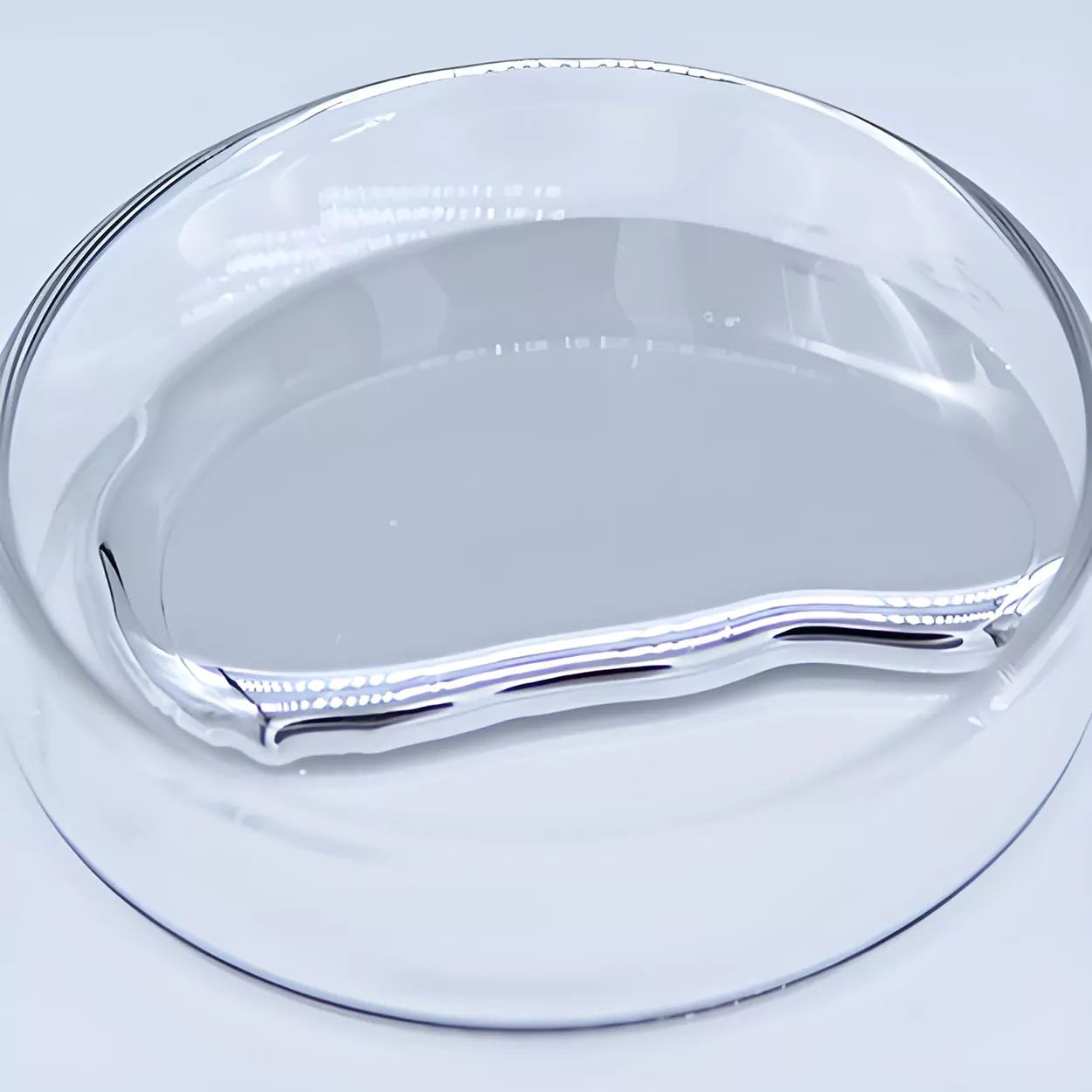
Bismuth Metals
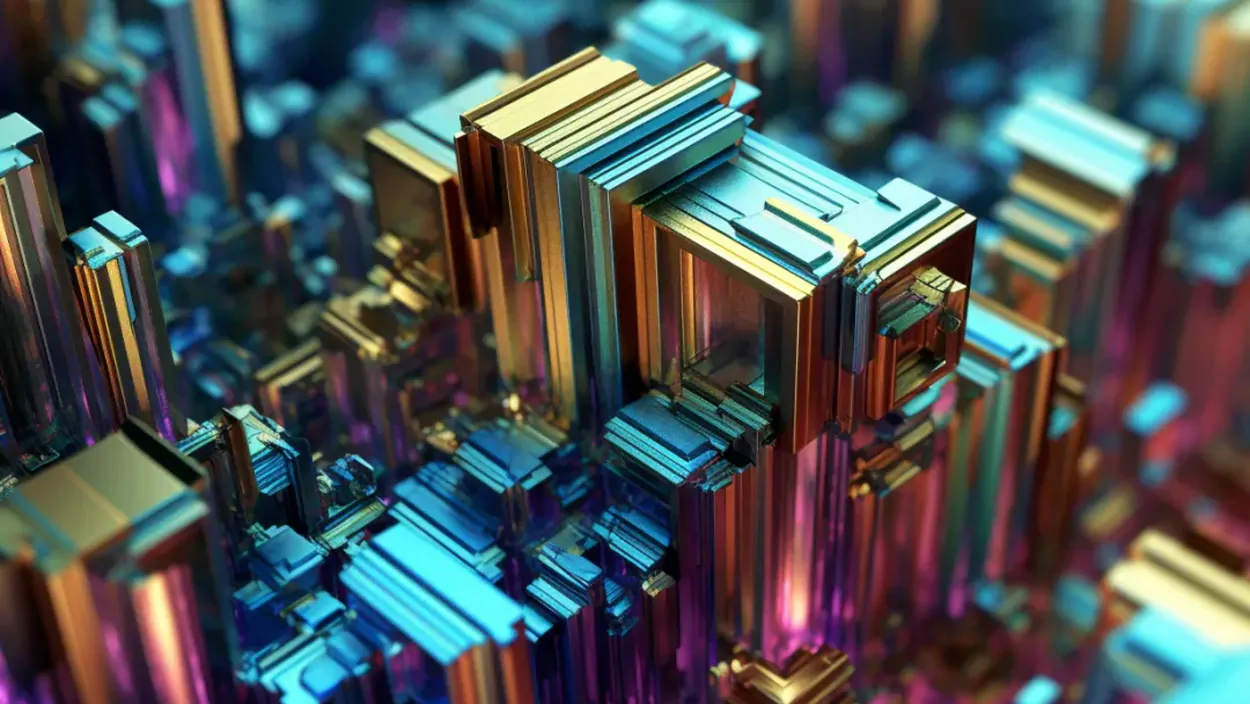
Bismuth Crystals Grown by Our Customer

The Rainbow Crystals of Bismuth Metals

One of the most unique features of bismuth is its ability to form nice rainbow-colored crystals. With a low melting point of 271.5℃, bismuth metal can easily be melted and allowed to cool into intricate spiral structures resembling staircases. These crystals owe their vibrant colors to the phenomenon of light reflection and refraction. As light interacts with the crystal’s unique structure, it separates into different wavelengths, creating a spectrum of colors. Each bismuth crystal is distinct in shape and hue, making them a favorite among collectors and jewelry makers.

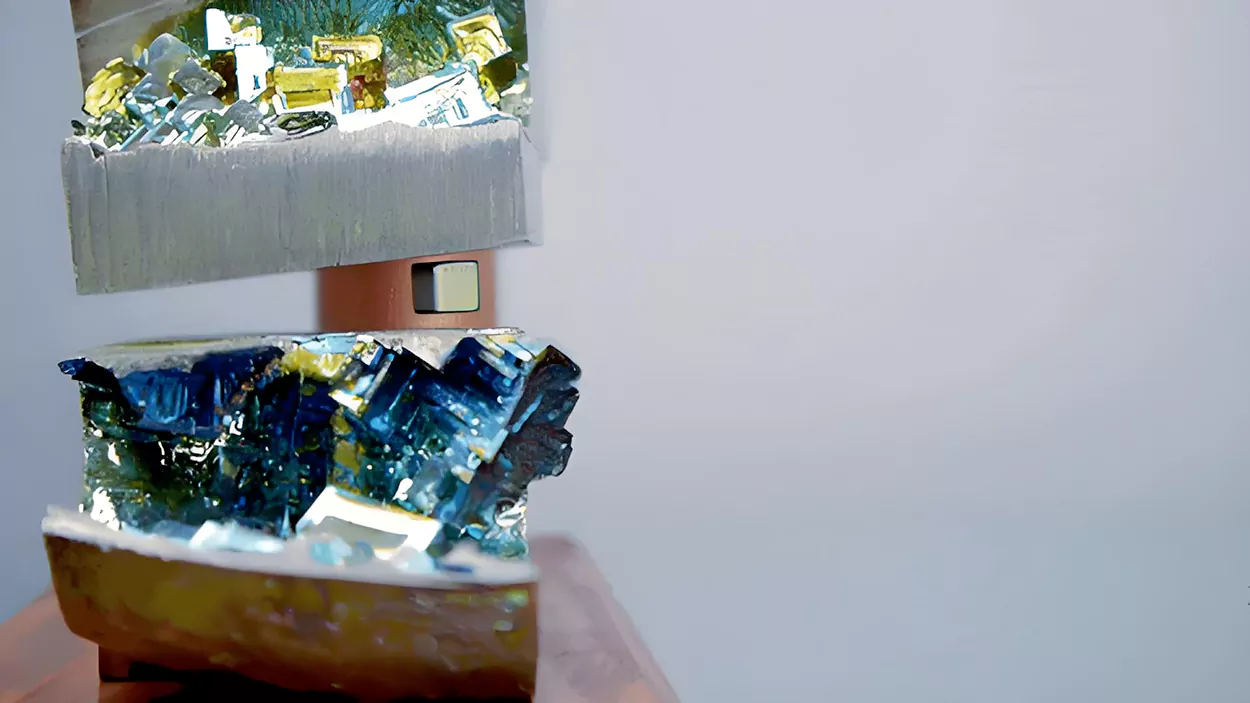
Bismuth and Superconducting Magnetic Levitation

Beyond its beauty, bismuth exhibits a property known as superconducting magnetic levitation. Though not magnetic itself, bismuth is highly resistant to magnetic fields, making it a strongly antimagnetic material. When placed in a stable magnetic field, bismuth can levitate as though defying gravity

This property has practical applications in scientific and precision equipment. In particle physics experiments and laboratory devices, bismuth  is used to minimize the effects of magnetic fields on measurements, ensuring high accuracy. Its antimagnetic quality also makes it valuable for creating high-precision tools in advanced research fields.

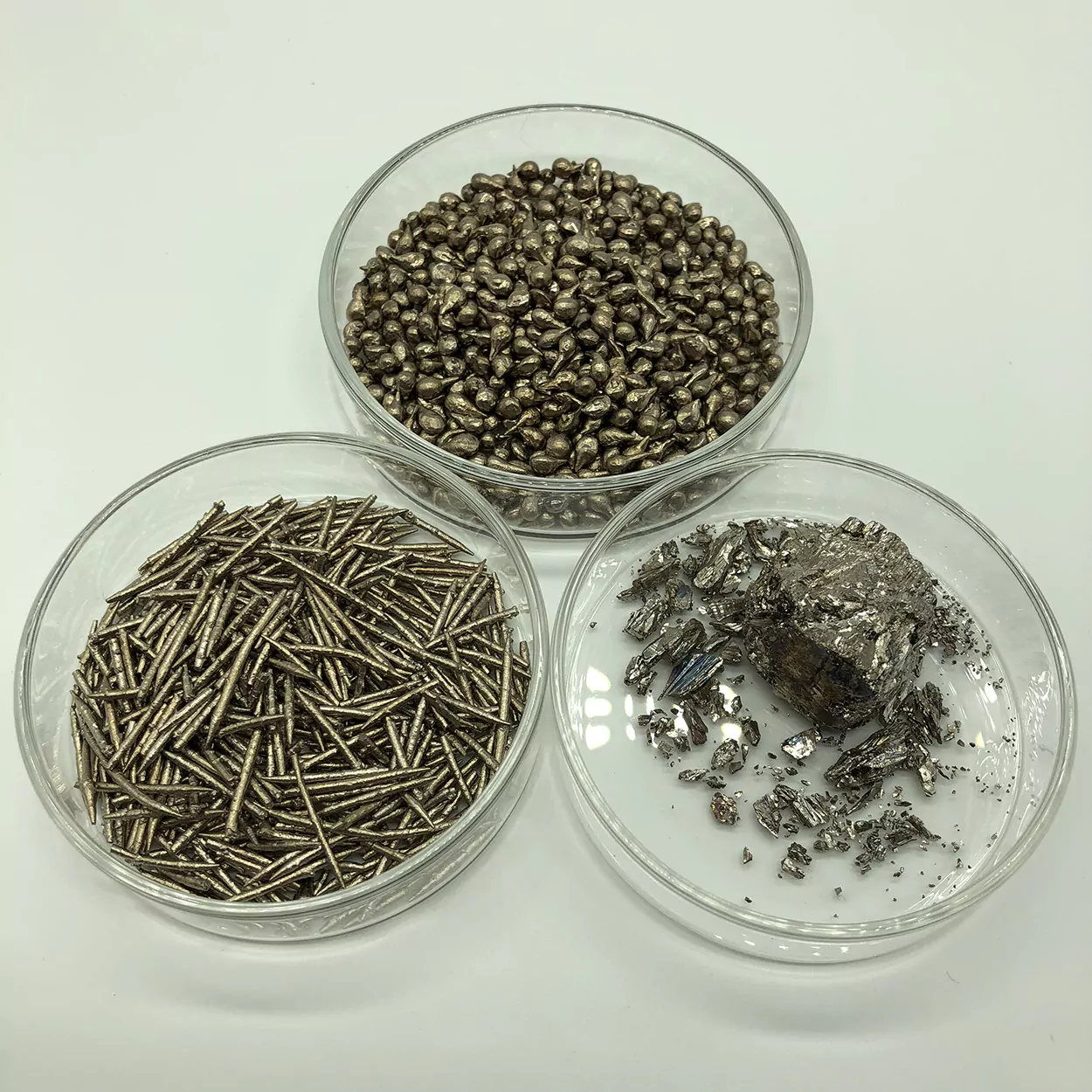
Bismuth Metals
Bismuth Metals for SCMaglev

Is Bismuth Radioactive?

While some metals pose radiation risks, bismuth is considered extremely safe for everyday use. Bismuth-209, its most common isotope, is technically radioactive but decays so slowly—taking approximately 19 billion billion years to complete one cycle—that its radiation is negligible. Compared to the sun’s radiation, bismuth’s is quite tiny, making it safe for handling and various applications.

Everyday Uses and Safety of Bismuth Metal

Bismuth metal stands out for its high electrical resistance and exceptional Hall effect—the highest of any metal. It is non-toxic, non-carcinogenic, and does not damage DNA, as it is not easily absorbed by the human body. This makes it a safe substitute for lead in many applications.

It is commonly used in lead-free bullets, solder, and other industrial products. Its medical applications include pharmaceuticals for digestive health and even cosmetics. Its safety profile, combined with its versatility, ensures bismuth remains a popular material in modern industries.

Conclusion

Bismuth metal is offering a blend of aesthetic appeal and practical functionality. From its magical crystals to its role in high-tech research and safe daily use, bismuth shows the magic of material science. Whether you’re a scientist, artist, or simply curious, bismuth is a metal worth exploring for its multiple talents.

Leave a Comment

Related Blog

Welcome to our blog dedicated to the attractive world of rare metal materials.

Scroll to Top

online Inquiry

Fill out the form below, we will get back to you within an hour.

Speak Directly
with Our Boss!

Got a question? Contact me directly
and l will help you quickly and directly.

Local production, global supply

Make an Appointment with a 1-to-1 Engineer

Looking forward to hearing from you