Affordable Bismuth Lead Alloys for Fishing Jig Manufacturing

Blogger-George Guo

George Guo / 2025-01-02 / Blog

Table of Contents

Introduction

Bismuth lead alloys offer a promising alternative to traditional materials in fishing jig manufacturing.

This article examines the composition, properties, benefits, and challenges of these alloys. Additionally, we discuss supply channels and future prospects for alloy development in this field.

Composition and Properties of Bismuth-Lead Alloys

Alloy Composition

Bismuth-lead alloys used in jig manufacturing typically consist of:

Physical Properties

  • Melting Point: Approximately 70°C
  • Density: Improved by lead, providing the necessary weight for effective jig performance.
  • Strength: Bismuth increases the alloy’s overall strength while lowering the melting point, facilitating easier manipulation during jig production.

Safety Considerations

Compared to pure lead, bismuth lead alloys are safer to handle. The reduced lead content decreases toxicity, making these alloys a more suitable choice for both hobbyist and professional fishermen.

Advantages of Bismuth-Lead Alloys in Jig Manufacturing

Cost Efficiency

Bismuth-lead alloys present a cost-effective alternative to pure lead. The inclusion of bismuth not only reduces material costs but also accelerates the melting process, allowing for faster production cycles.

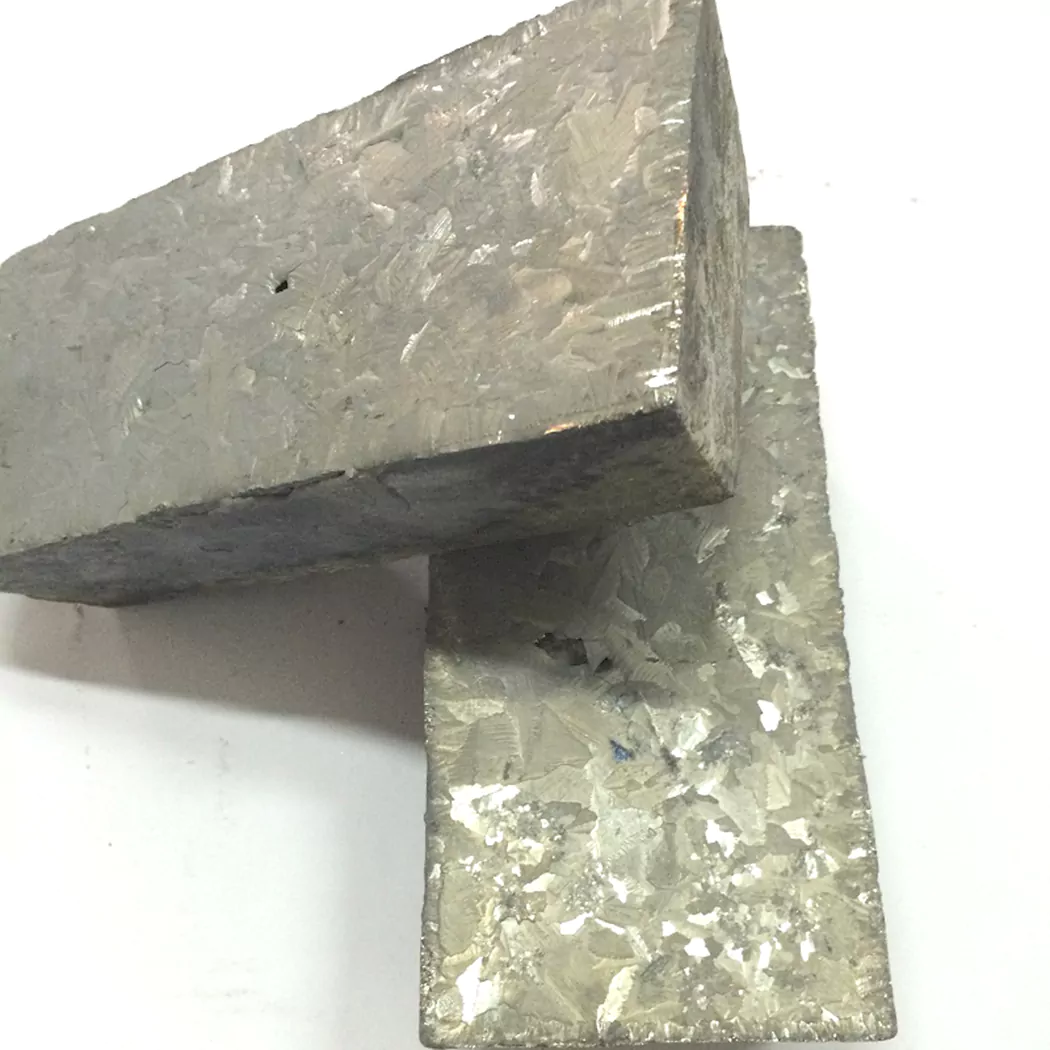
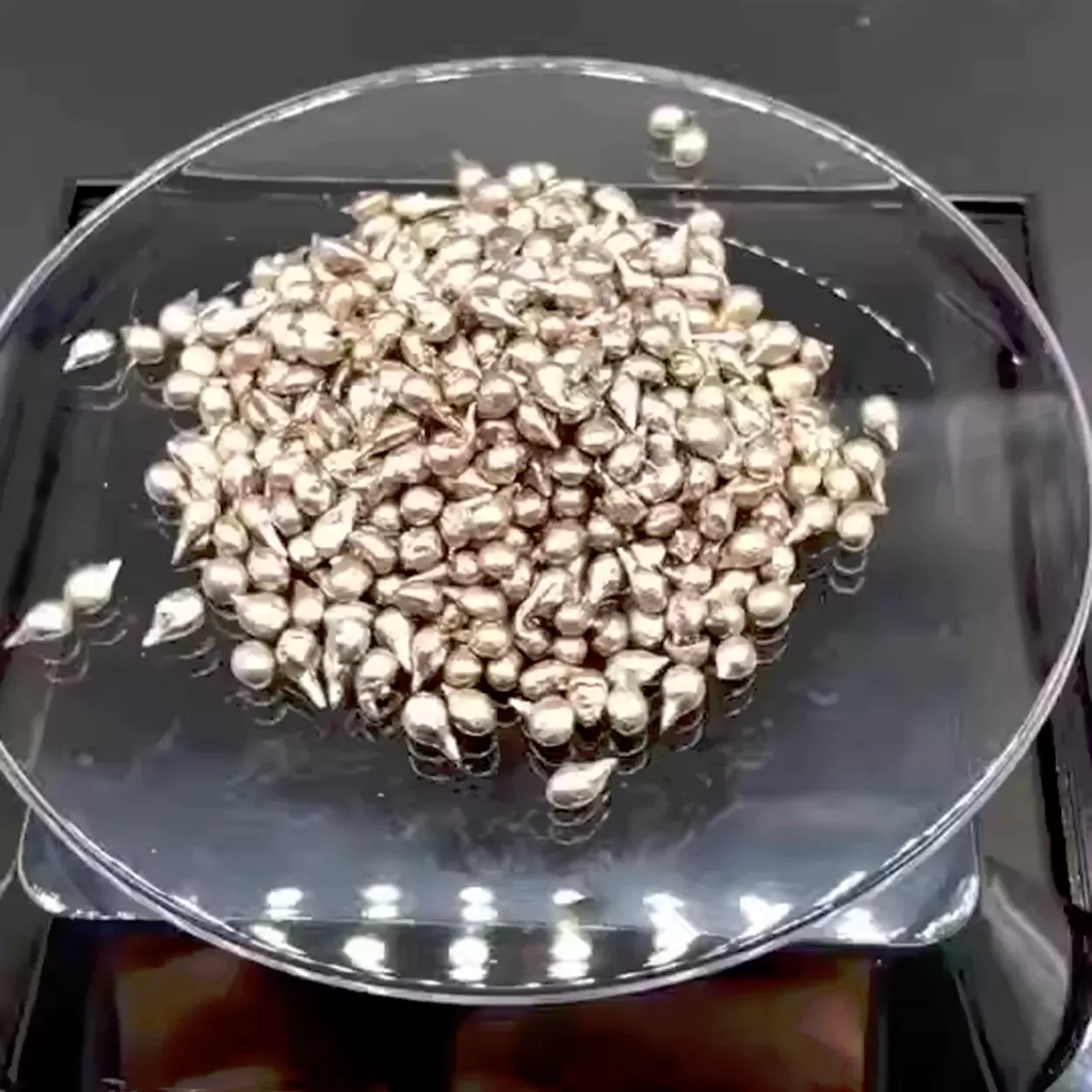
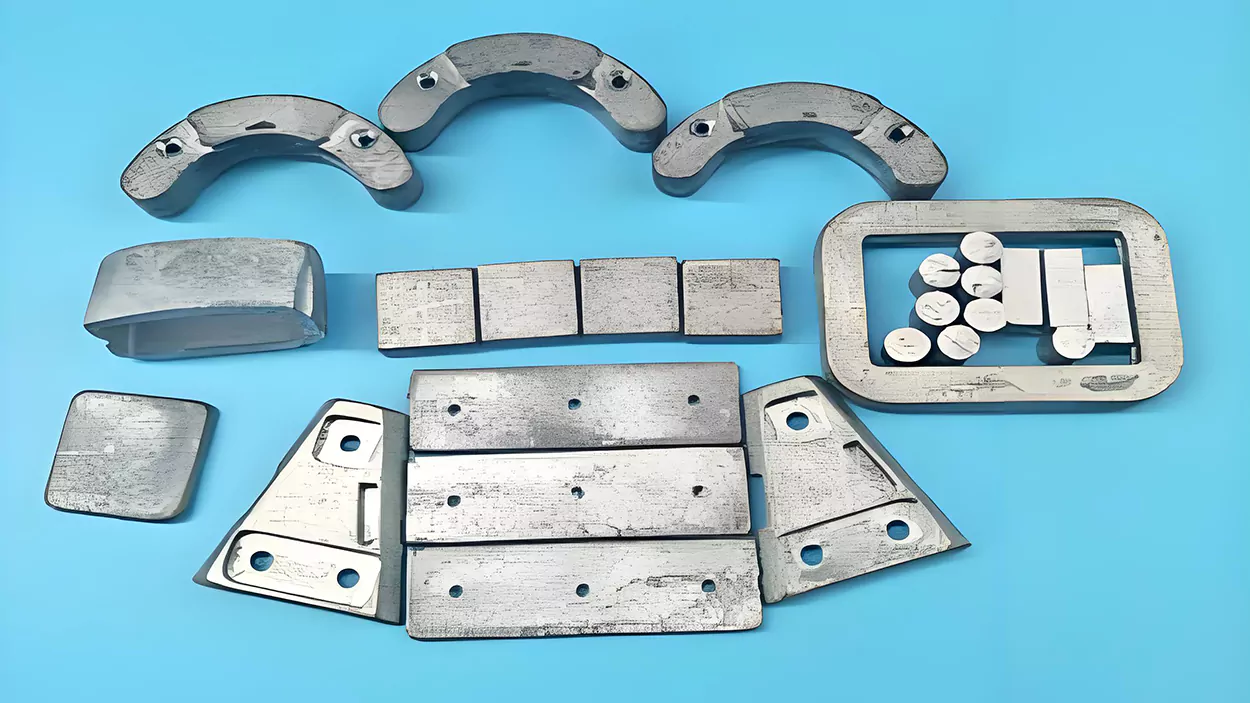
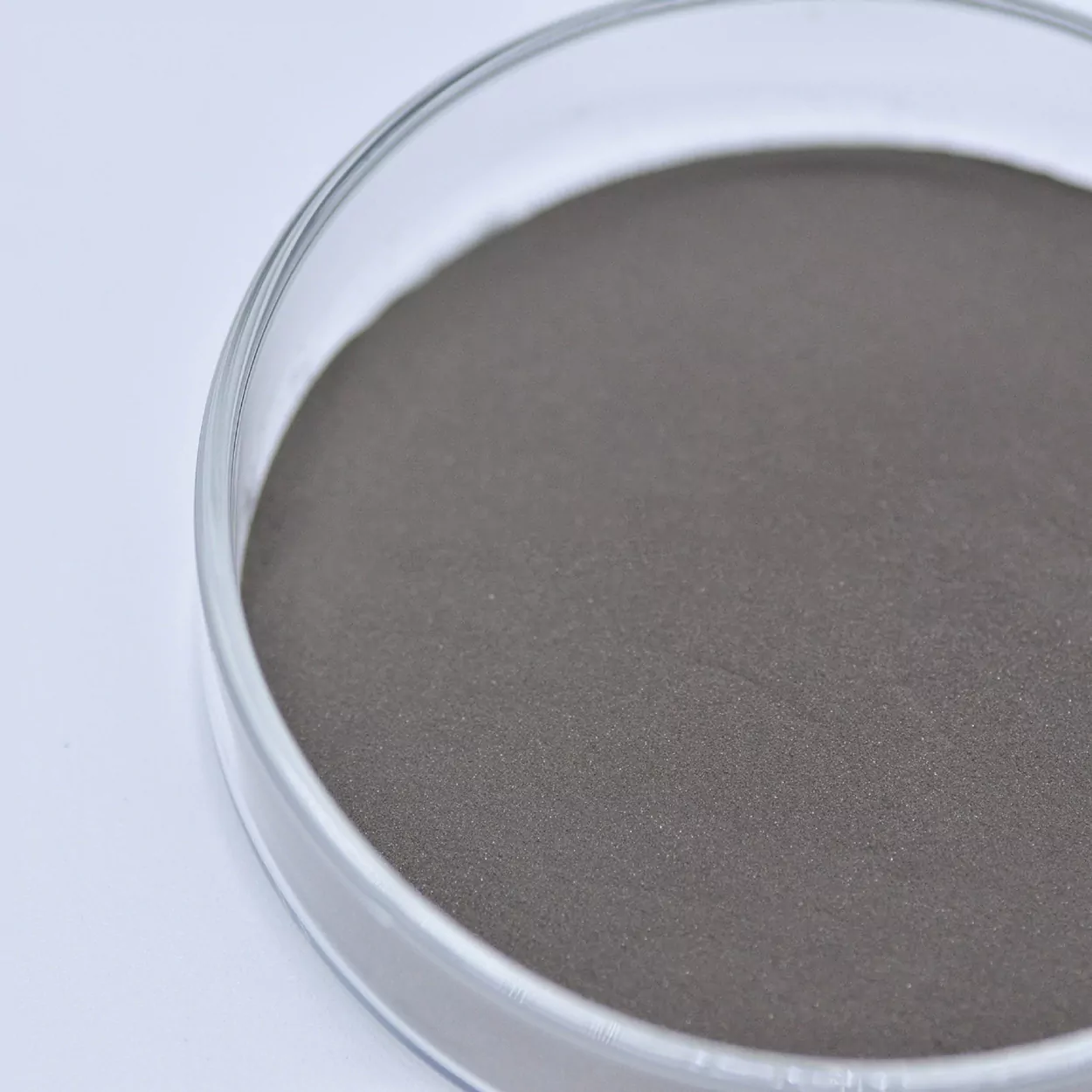
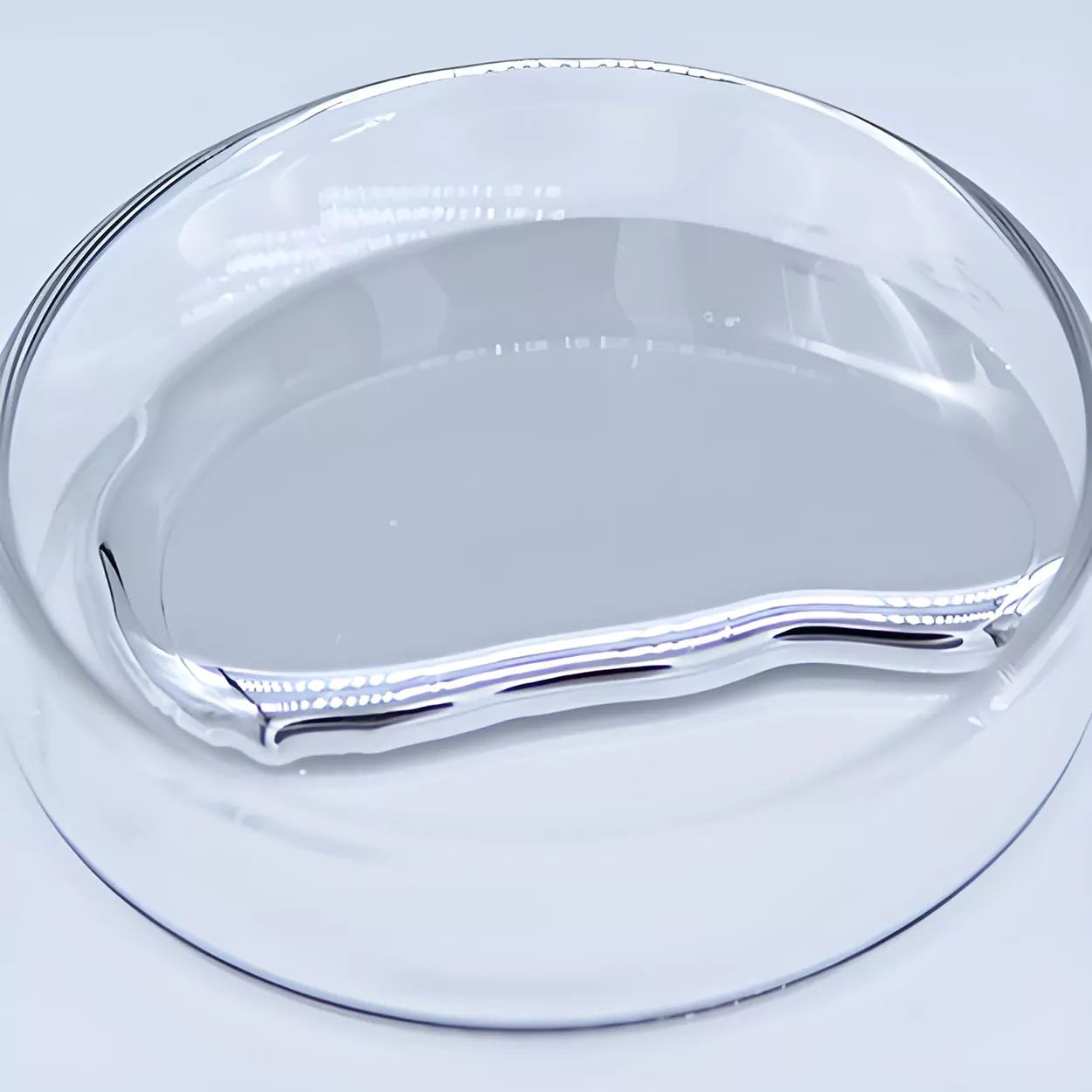
bismuth lead alloy
Custom Bismuth Lead Alloys

Improved Material Handling

The addition of bismuth increases the alloy’s strength, reducing the overall melting point and improving the ease of handling during the jig-making process. This results in more durable jigs that maintain their structural integrity during use.

Challenges in Utilizing Bismuth-Lead Alloys

Mold Durability

One significant challenge is the rapid degradation of silicone molds when exposed to the high temperatures required for melting bismuth-lead alloys. Even with higher heat-resistant silicones, molds may only withstand a limited number of pours before warping or breaking down.

Alloy Brittleness

Bismuth possesses a degree of fragility, which can weaken the overall alloy. This brittleness may necessitate additional treatments, such as clear coating, to enhance the durability and aesthetic appeal of the finished jigs.

Surface Treatment Limitations

The low melting temperatures of bismuth-lead alloys can complicate surface treatments like powder coating. Proper curing of powder paints typically requires temperatures between 300-350°F, which may be challenging to achieve without damaging the alloy.

User Experiences and Feedback

Successful Implementations

Several users have successfully employed bismuth-tin mixtures for jig manufacturing, showing the fluidity of the alloy and its ease of pouring. These alloys often flow seamlessly into molds, though some may require air venting to prevent air entrapment.

Common Issues

Users report challenges such as mold degradation, oxidation of the alloy, and difficulties in achieving consistent pours. Larger jig sizes may exacerbate these issues, leading to overheating of molds and incomplete fills.

Mitigation Strategies

Adjusting pour temperatures, optimizing mold designs, and incorporating air vent lines are common strategies to address these challenges. Additionally, experimenting with different alloy ratios can help achieve the desired balance between weight and durability.

Alternative Alloys and Comparative Analysis

Lead-Tin Alloys

Lead-tin alloys remain a popular choice due to their well-established properties. However, they lack the safety and melting efficiency advantages offered by bismuth based alloys.

Bismuth-Tin Alloys

Bismuth tin alloys provide a less dense alternative to lead-based materials, resulting in a slower drop rate. While they retain the luster necessary for effective jig performance, their increased fragility and higher cost compared to pure tin limit their widespread adoption.

Other High-Density Metals

Metals like tungsten offer superior density but come with significant application limitations, including higher melting points and increased material costs, making them less practical for hobbyist jig manufacturing.

Alloy Supply and Market Considerations

Supply Channels

Custom Rare Metal is a direct factory offering a variety of bismuth based alloys, including bismuth-tin and bismuth-lead blends. We cater to specific composition requests, ensuring that users can obtain alloys mached to their precise requirements.

Custom Alloy Services

We provide customization services, allowing uses to adjust alloy compositions and melting points to achieve specific properties. This flexibility supports the development of jigs with personalized performance characteristics.

Conclusion

As raw materials purify and alloy formulations improve, bismuth-lead alloys are poised to become a staple in the toolkit of hobbyist and professional fishermen alike.

Leave a Comment

Related Blog

Welcome to our blog dedicated to the attractive world of rare metal materials.

Scroll to Top

online Inquiry

Fill out the form below, we will get back to you within an hour.

Speak Directly
with Our Boss!

Got a question? Contact me directly
and l will help you quickly and directly.

Local production, global supply

Make an Appointment with a 1-to-1 Engineer

Looking forward to hearing from you