

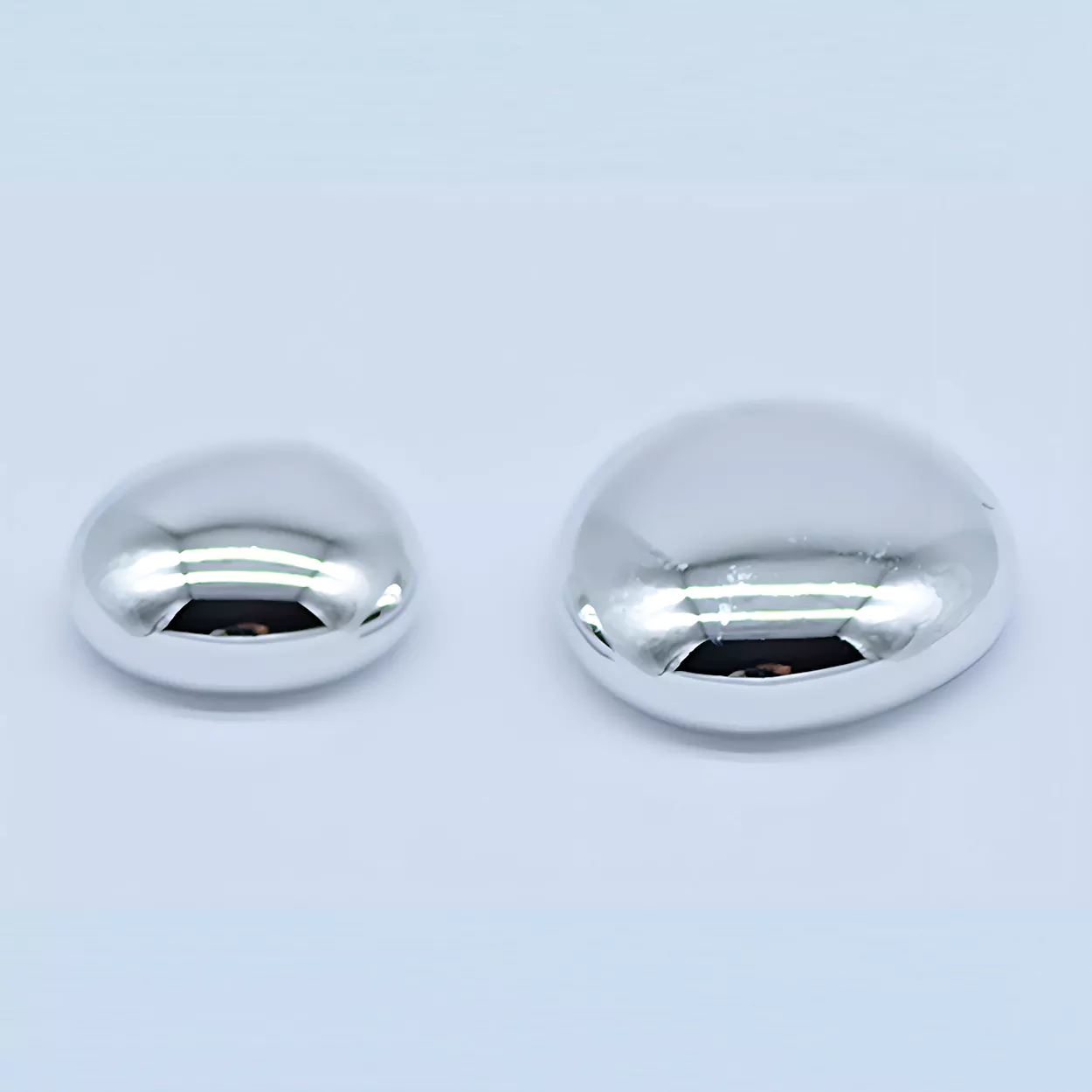
3 Reasons Why Indium Prices Were Becoming Weak in These Days
There are three main reasons, as follows.
Online Indium Prices Become Consistent With Spot Prices
Specifically, the price of refined indium has sunk to the threshold of about USD 300 per kg. However, smelting plants have not shown a strong willingness to sell at low prices. It is worth noting that the price of the Internet and the spot market have converged, which contributed to the increase in shipments to a certain extent in the past two weeks.
There Has Been no Significant Expansion in Demand Growth
The price has fallen, some domestic customers have accepted the price and made purchases. However, the overall purchasing atmosphere in the market is still cautious, and the increase in demand has not expanded significantly. This situation leads to a relative balance between supply and demand in the market and a lack of impetus for further price increases.
Production of Raw Indium Has Increased
The market price of raw indium is deadlocked, which puts pressure on the processing cost of refined indium price.
With the rise in smelting costs of large metals such as high purity zinc and copper, it is expected that the production of rare metals such as indium will increase in the future.
The above trends may have a certain impact on indium prices, but the specific trend still needs to pay attention to changes in the market supply and demand relationship and changes in the macroeconomic environment.
Leave a Comment
Top Categories
Hot Product
Tags
Related Blog
Welcome to our blog dedicated to the attractive world of rare metal materials.

Current Galinstan Price: Market Analysis and Trend Early 2025
Galinstan price is still in the downward channel in China for early 2025. We and other producers bid for sales.
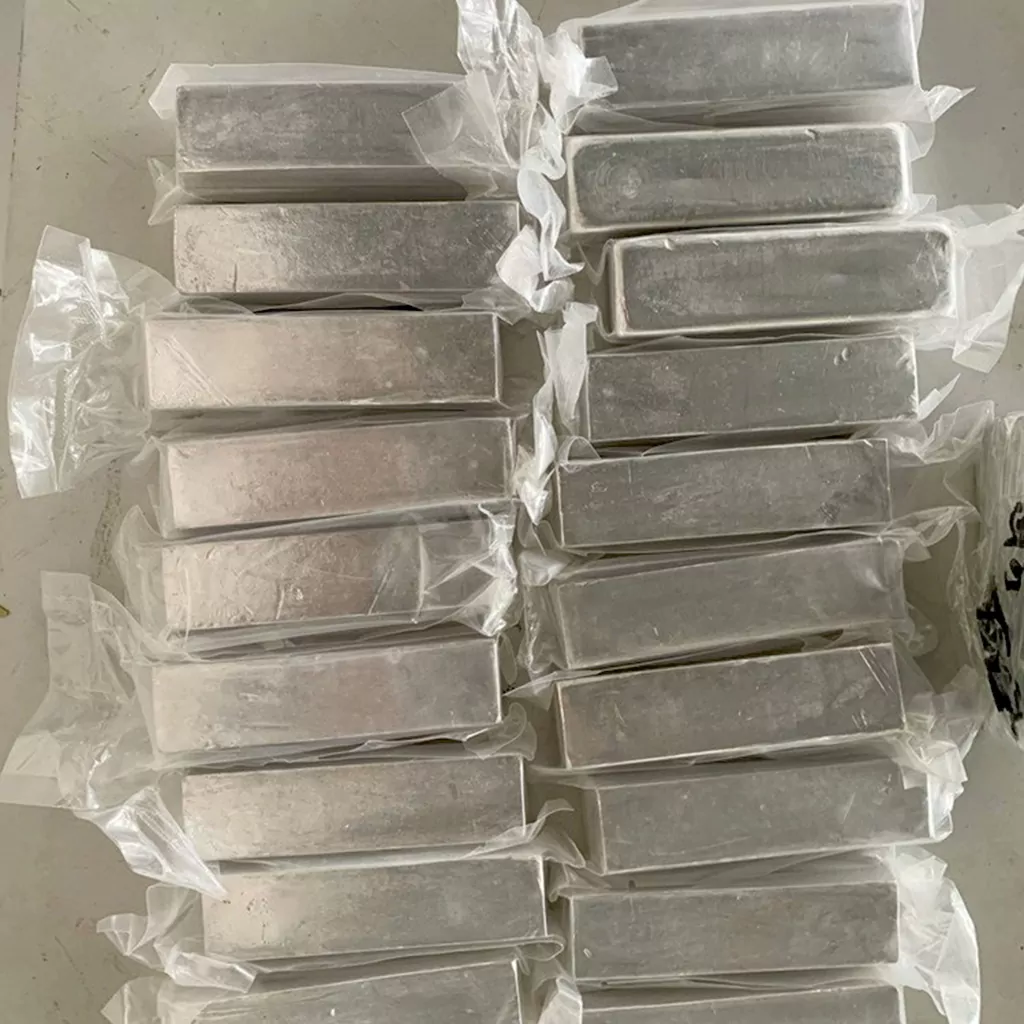
How to Evaluate The Recent Situation of China Indium Metal
Market of China indium metal has been flat as a whole this week, with no volatility.
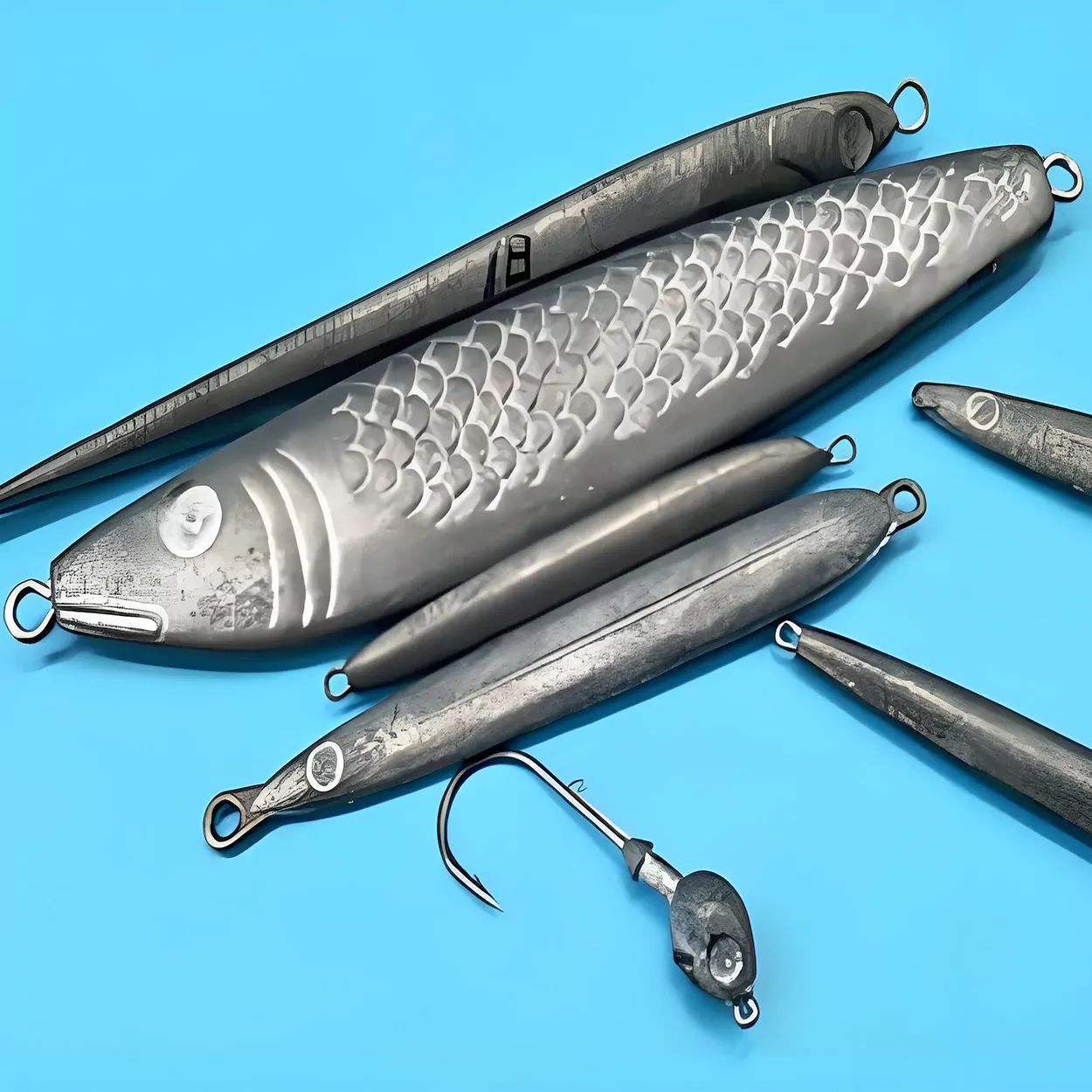
Affordable Bismuth Lead Alloys for Fishing Jig Manufacturing
Bismuth lead alloys offer a promising alternative to traditional materials in fishing jig manufacturing.


